A Bodwell family story · A Family's Life in America · 1919–1939
Radios, Reels and Hard Times
Radio, the movies, oil, and how the family got through the Depression
Between the wars
The men who came home from France in 1919 returned to a country in a hurry. In the 1920s America got radios, motion pictures, cars on every road and money in the stock market. Then, in October 1929, the market crashed, and for ten years the country lived through the worst depression in its history. The Bodwells lived through all of it: the boom and the bust, the new machines and the hard times.
Voices from the air
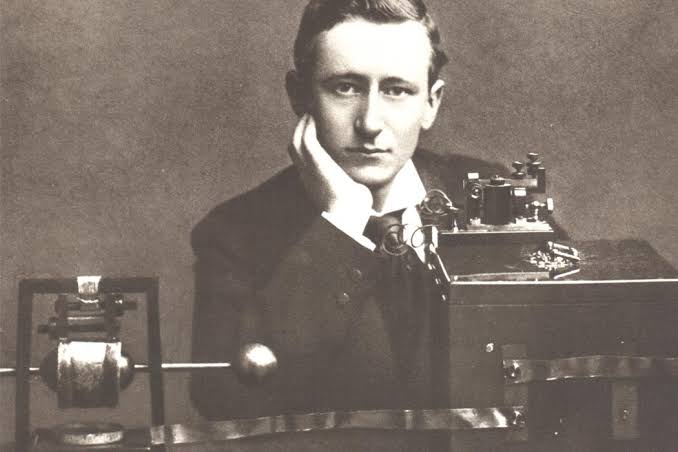
The first commercial radio station went on the air in 1920. By the end of the decade, millions of American homes had a radio in the living room, and families who had never heard a president speak could hear one by the fireside.
Augustus Bodwell (1901–1974) of Washington, D.C., was one of the young men who made that happen. He experimented with radios in the early 1920s, and in 1924 he installed the first permanent radio transmitter in the U.S. Capitol, so that presidential speeches could be broadcast to the nation. In 1932 he joined the Washington police as an officer and radio dispatcher, and in 1937 he received the department's Silver Medal of Valor for bravery. Later he taught himself to use motion-picture cameras and travelled west to film the Hopi and the landscapes of the Southwest.
Pictures that moved
If radio brought voices into the home, the movies took people out of it. By the late 1920s, Americans bought around eighty million cinema tickets a week. Marion Francis Bodwell (1904–1983) of Wyoming, Illinois, worked at the local picture house as a teenager in the days of silent films, and loved them so much that he decided to go into the business himself.
In 1934, in the middle of the Depression, he bought an 1881 building on the main street, which had started life as a grocery and bank with a cigar factory in the basement. He sloped the floor, installed 281 seats, a screen and a box office, and named it the Paramount, after his favourite studio, with the name in neon on the marquee. His wife Vera had played the organ for silent films. The Paramount passed to their son Tom, closed in 1969, and later reopened. It is said to be the last cinema in Stark County.
Not every Bodwell watched the show from the seats. In New Haven, Willis Elliott Bodwell (1882–1947) was a mechanic for Buick by day and an actor at night, under the stage name "Arthur LeClair."
On the road
Henry Ford's Model T made the car something an ordinary family could own, and Americans took to the road. In 1927 Oswald Reginald Bodwell, his wife Ruby and their seven children set out from their farm in Ontario in a Star touring car, bound for Brownsville, Texas, where they planned to grow grapefruit. The trip took fourteen days. The land turned out to be too poor to irrigate, and six weeks later they drove twelve days home again.
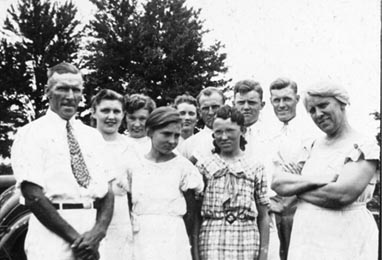
The next year Oswald became an overseer at Wildwood Farms, the country estate of the newspaper publisher William E. Scripps near Lake Orion, Michigan, and the family rode out the worst of the Depression there. Famous visitors came, among them Amelia Earhart, who flew an experimental glider over the estate. The three Bodwell boys, in ropes and harness, ran to pull it into the air.
Others rode the decade's booms. Donald Craighead Bodwell was an engineer and land developer in Clearwater during the great Florida land boom of the mid-1920s, before moving to Los Angeles and the law.
Oil
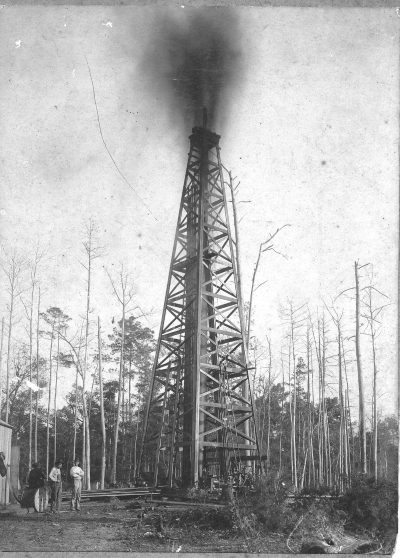
The automobile ran on gasoline, and the search for oil created boom towns across the Southwest. Cecile Cull's father went to Wynona, Oklahoma, when oil was discovered there and sent for his family. In 1929 Cecile, by then a schoolteacher in a one-room school, married Edward "Bud" Bodwell, who was working in the oil fields. On a cold winter morning she gave birth to their only child, Gene, in a little oil-field cabin, alone in the woods outside Pershing, Oklahoma. (See Cecile Cull Bodwell.)
In Colorado, Earl Alvin Bodwell (1885–1958) worked in a coal mine office at Bon Carbo, then in 1925 moved his family to Trinidad and drove an oil truck for the Trinidad Oil Company until 1941.
The crash
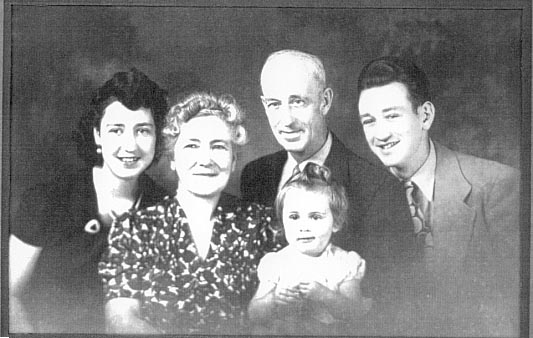
On October 24 and 29, 1929, the New York stock market collapsed. Banks failed, factories closed and farm prices fell through the floor. By 1933 about a quarter of American workers had no job. On the southern plains, years of drought turned the soil to dust and blew it away in giant storms. The Depression was worldwide: in Britain, Germany and across Europe, unemployed men marched for work and relief.
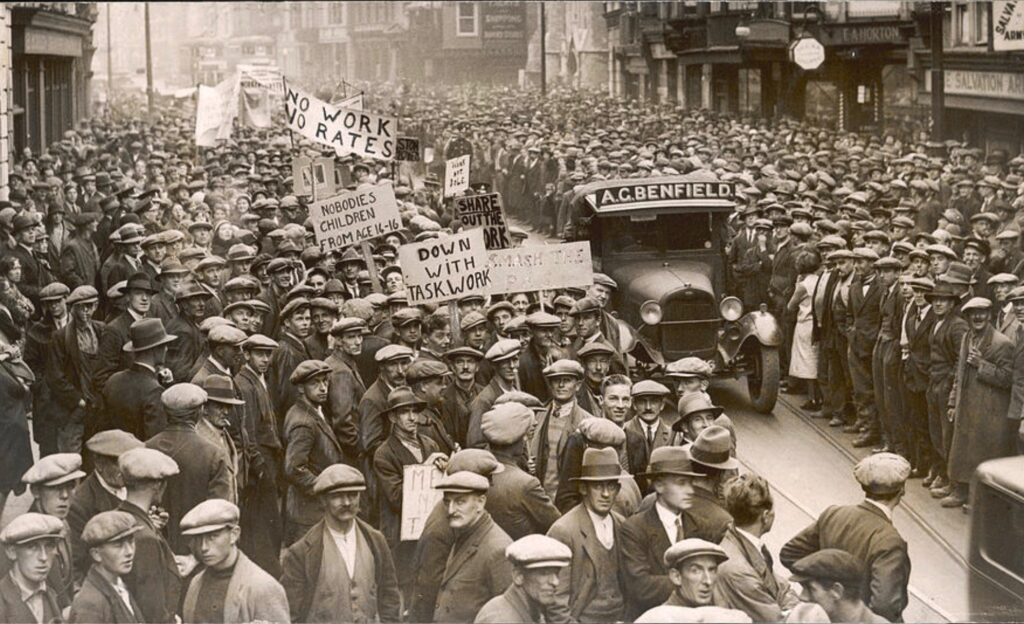
For families, the Depression was measured in jobs. Noble Irwin Bodwell (1898–1962), a son of Celsius Putnam Bodwell the Texas Ranger, needed work to support his family in Winterset, Iowa. Every morning he went to the rock quarry with his lunch pail and waited outside the gate in case anyone quit. After a week or so, the foreman stopped and gave him a job.
Noble was not afraid of rattlesnakes, but he was terrified of bees. One day a fellow worker put a bee in his lunch pail. The next day the joker opened his own lunch pail and found a rattlesnake. Nobody played tricks on Noble after that. (This answers one of the family mysteries: he is the Bodwell who was afraid of bees.)
Some were luckier. Paul Garvin Bodwell kept his job as a railway signal maintainer through the 1930s, one of the few men in his neighbourhood with steady pay, and the family remembers his many quiet acts of charity. In 1928, the year before the crash, Harold and Dorothy Bodwell bought a farm in Kensington, New Hampshire, with twenty cows. The Bodwell Dairy Farm survived the Depression and stayed in the family for the rest of the century (see Harold "Harry" Bodwell).
Steady work in the city
For those with a job, city life went on. John Hanford Bodwell worked for the Yale & Towne lock company for forty-eight years, rising to manage its bank-vault service department from an office in the new Chrysler Building. Every day, on his way through Grand Central Station, he stopped for a bowl of oyster stew. In Seattle, E. B. Bodwell was clerk of the Police Court for thirty-five years, collecting fines and bail from a passing parade of what a newspaper called mischief, malevolence and misery.
1939
The decade ended as the next war began in Europe. In May 1939 Charles Herbert Bodwell, the ambulance driver of 1918, died in Worcester, Massachusetts, at fifty-one. His fourteen-year-old son, my father Charles Murray Bodwell, loaded his mother and sister into the family's Dodge station wagon and drove them all the way to Miami. Within a few years he would be learning to fly (see Wings and Wounds: Bodwells in the Second World War).
Questions for the family's researchers
- Do any of Augustus Bodwell's films of the Hopi and the Southwest survive?
- Are there photographs of Marion Bodwell's Paramount Theater in its early years?
- What were the other Bodwells doing in the 1930s? The 1940 census, which asks about work and income, would show which families were struggling.
- Did any Bodwells work on New Deal programmes such as the Civilian Conservation Corps or the WPA?
A note on sources
Details of individual Bodwells come from the family tree on the Bodwell Family website, including family recollections, obituaries and newspaper articles quoted there (among them the Peoria Journal Star on the Paramount Theater and a 1942 Seattle newspaper on E. B. Bodwell). General history figures are rounded estimates from standard sources.
Written by Charlie Bodwell.